
Executive Coaching for Biotech + Pharma Leaders
Hard work doesn't scale.
I coach VP and C-suite leaders in biotech and pharma to lead in a way that does — so the role gets easier and the business gets better.
“Angela helped me engage with my peers more effectively and build stronger relationships. I’ve become a more effective executive leader.”
Robert Hofmeister, PhD, Chief Scientific Officer, Board Director“Angela is a rare strategic thought partner… coaching with her transforms how you think, act, and lead.”
S.M., Founder & CEO“The impact was visible in the organization: stronger team ownership, improved cross-functional relationships, and more effective ways of working under pressure.”
Jim D., President & Chief Development Officer“Angela has a unique ability to challenge and support in equal measure, while providing practical guidance on how to bridge gaps and achieve long-term career goals.”
Erin S., US Medical Lead“25 years into my career, and the 6 months I worked with Angela was a transformative experience.”
Julie B., EVP, Human Resources“I now know I have a rightful place at the decision-making table—and I’m showing up that way.”
Fiona I., VP, People & Organisation, Global Biotech“She’s hands-down the best in the business—and challenged me again and again to get clear on what matters and where I can make the biggest difference.”
Amanda K., VP, Global Medical Affairs“Having worked with several coaches, I can confidently say Angela is top-tier—smart, strategic, and pragmatic.”
JS, SVP & Board DirectorWhen Expertise Isn't Enough
The leaders I work with are exceptional. That's not the problem.
The problem is that the instincts that built their credibility — driving results, solving what others couldn't, being the person who figures it out fastest — stop scaling with the role.
The scope gets broader. The stakes get higher. Success depends less on what they can drive directly and more on what they can shape through others.
That shift is hard to make.
That's the inflection point I work in.
How Executive Coaching Helps
This isn't coaching that helps leaders feel better about hard situations.
It's coaching that changes how they operate in them.
We work on what's actually creating friction — the patterns, the blind spots, the gap between how a leader sees themselves and how the business experiences them.
The result shows up in the work. Better decisions at every level. Teams that own the work instead of waiting for direction. Leaders who have the bandwidth to lead — not just execute.
Investing in coaching is not just an investment in the individual leader. The impact was visible in the organization.
— Jim D., President & Chief Development Officer
Coaching Shaped by Experience
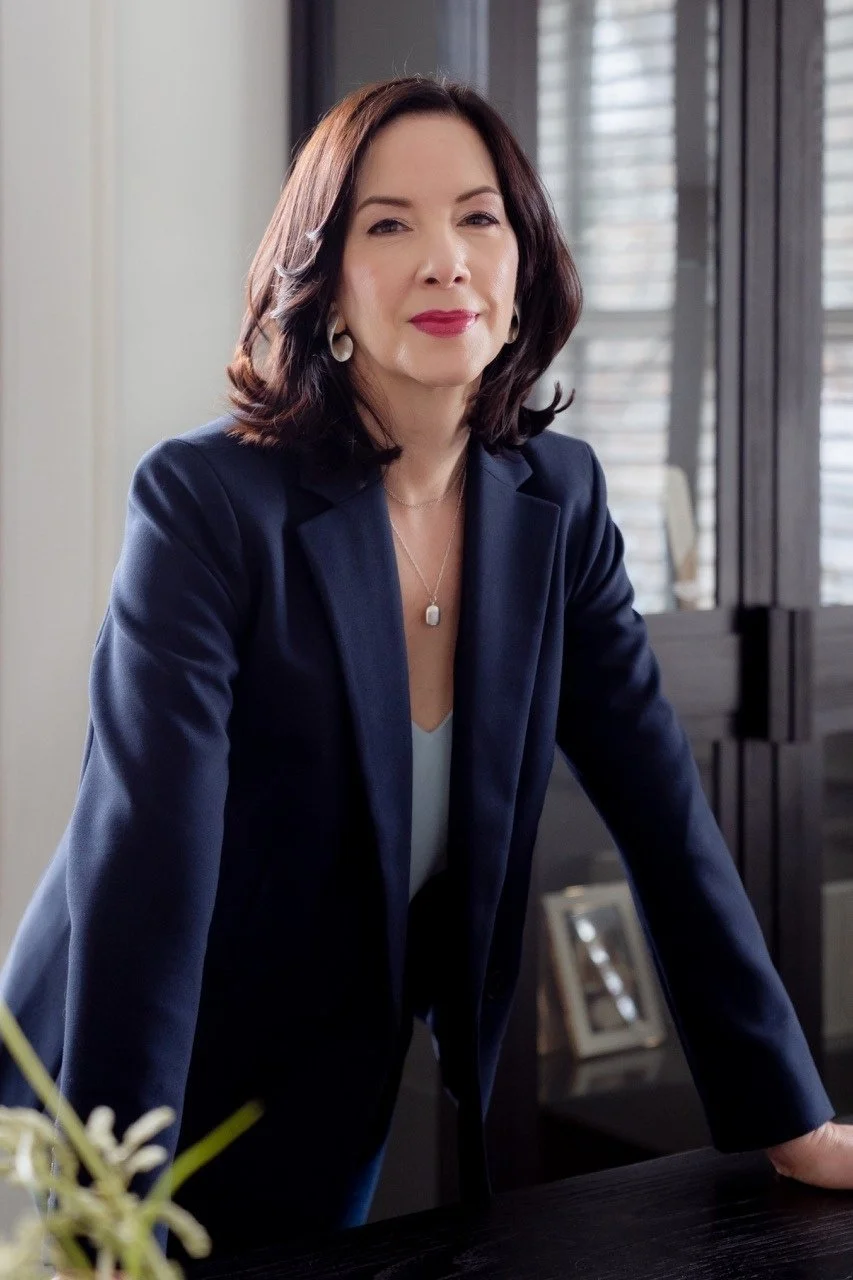
I’m Angela Justice, founder of Justice Group Advisors.
Before I coached biopharma leaders, I was one.
I've spent more than 20 years in biopharma — as an operational leader in Medical Affairs and as a Chief People Officer — across early-stage biotech and large global organizations, including Biogen.
That combination of operational and people leadership is unusual. Most coaches come from one side of the business. I've led from both — which means I understand what leaders are up against, and I understand what HR leaders and CEOs need to see when they make the decision to invest in one.
You don't have to explain the environment or defend the tradeoffs.
We can start with what's actually happening.
How We Determine Fit
Coaching works best when the leader, the situation, and the coach are a strong match. This process is designed to figure that out early.
You share what's happening.
The leader, the role, what's at stake. I respond personally with a clear point of view. If I'm not the right coach, I'll say so.
We talk it through.
If there's a potential fit, we get specific about what needs to shift and what success looks like. Fit goes both ways.
We move forward.
Clear goals tied to the leader, the sponsor, and the business. Meaningful progress — not just a better conversation.
25 years into my career, and the 6 months I worked with Angela was a transformative experience.
— Julie B, EVP & Chief People Officer
Why This Work Matters
In biopharma, leadership decisions rarely stay contained.
A leader who's struggling to delegate slows the team around her. A leader who can't navigate conflict creates it downstream. A leader who's carrying too much becomes the bottleneck the business quietly builds around.
That's why this work isn't just good for the leader.
It shows up in how the business gets led — in better decisions, stronger teams, and organizations that don't have to work around their most senior people to keep moving.
TRUSTED BY SENIOR LEADERS IN BIOTECH AND LIFE SCIENCES
A representative sample. Many engagements remain confidential by design.



Angela is a rare strategic thought partner — coaching with her transforms how you think, act, and lead.
— S.M., Founder & CEO
Before You Invest in Coaching
A practical sponsor-level guide to when executive coaching works, when it doesn't, and how to evaluate the right fit.
Read the guide: Executive Coaching for Biopharma: What You Need to Know Before You Invest
Not Ready for Coaching?
Start with Practical Perspectives.
Once a month, I write about leadership from the inside — the moments that shaped how I lead and coach, connected to a behavioral insight and something concrete enough to use the same week.Practical enough to use. Thoughtful enough to stay with you.
For Chief People Officers
CPOs often sit on both sides of the coaching decision.
Sometimes you are the leader doing the work. More often, you're the executive deciding where coaching will move the needle — on a leader, a team, or a transition that matters to the business.
I work with CPOs in both capacities. With a practical view of the leader, the role, and where coaching can actually help.